How Today’s Business Leaders Are Shaping the Future of Global Markets
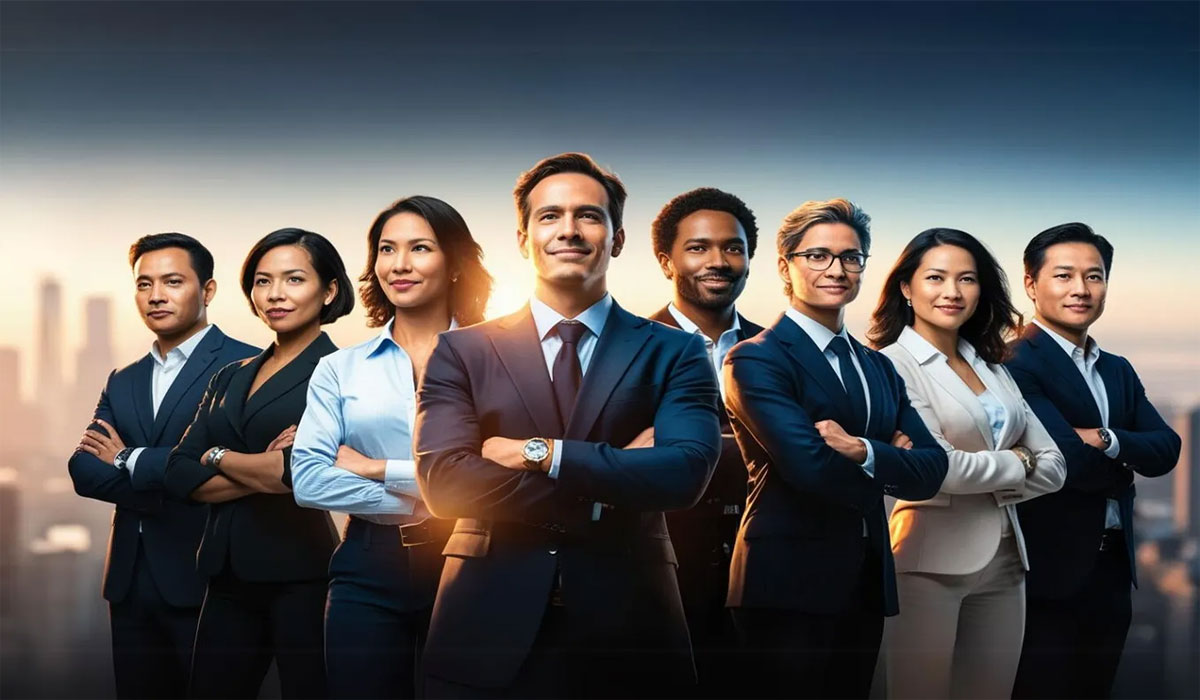
In today’s rapidly evolving world, business leaders are no longer just managing companies they are shaping the very landscape of global markets.

Their decisions influence economies, technology, and social trends on a scale never seen before. From innovative strategies to bold leadership styles, the modern business leader is redefining what it means to succeed in the global economy.
Watch and keep following the latest and most viral information only on The Global Wealth Chronicle.
Embracing Innovation and Technology
One of the most significant ways today’s business leaders are shaping global markets is through innovation. Companies led by forward-thinking executives are investing heavily in cutting-edge technologies such as artificial intelligence, blockchain, and automation to streamline operations and create new market opportunities. These innovations not only improve efficiency but also open up entirely new industries, transforming consumer behavior worldwide.
Beyond adopting technology, successful leaders encourage a culture of innovation within their organizations. They empower employees to experiment, take calculated risks, and pursue creative solutions. This approach leads to rapid product development, adaptive business models, and the ability to stay ahead of global competitors.
Furthermore, technology-driven strategies have a ripple effect on international trade and investment. Companies leveraging digital tools can enter foreign markets faster, collaborate with international partners more efficiently, and adapt products to local needs, giving them a competitive edge in global markets.
Ethical Leadership and Corporate Responsibility
Modern business leaders recognize that success is no longer measured solely by profit. Ethical leadership and corporate responsibility have become critical factors in shaping global markets. Executives who prioritize sustainability, fair labor practices, and ethical governance influence not only their organizations but also global supply chains and consumer expectations.
Companies led by socially responsible leaders are increasingly favored by investors, employees, and customers. Ethical decision-making can enhance brand reputation, attract top talent, and drive long-term profitability. In addition, global stakeholders are holding companies accountable, creating a competitive incentive to act responsibly.
These leaders are also using their influence to tackle global challenges. By investing in renewable energy, reducing carbon footprints, and supporting local communities, business leaders contribute to broader economic and social stability. This approach demonstrates that profitable business and positive global impact are not mutually exclusive but rather intertwined.
Also Read: Billionaire Confronts Trump! Are You Turning Our Territory Into A War Zone?
Strategic Vision and Global Expansion

A key characteristic of today’s influential business leaders is their ability to think globally while acting strategically. Executives are expanding their companies into emerging markets, adapting strategies to local cultures, and identifying opportunities where others see obstacles. This strategic vision enables them to influence global trade patterns and market dynamics.
Global expansion requires careful planning, including market research, risk management, and supply chain optimization. Leaders who master these elements can capture new customers, diversify revenue streams, and increase resilience against economic fluctuations. The decisions made at the top resonate across continents, affecting economies in profound ways.
Additionally, visionary leaders are shaping international partnerships and alliances. By collaborating with governments, NGOs, and other corporations, they foster innovation, economic growth, and sustainable trade practices. These alliances not only strengthen their companies but also influence the broader structure of global markets.
Adapting Leadership Styles for a Changing Workforce
The workforce of the future is diverse, remote, and technologically savvy, and today’s business leaders are adapting their leadership styles accordingly. Emphasizing flexibility, collaboration, and emotional intelligence, modern executives are finding new ways to motivate teams and drive productivity in dynamic environments.
Remote work, cross-cultural teams, and digital communication require leaders to cultivate trust and engagement differently than in traditional office settings. Those who excel in adaptability can harness global talent, foster inclusion, and maintain high performance across geographies.
Leadership development has also become a priority. Forward-thinking executives invest in mentoring, upskilling, and cultivating future leaders within their organizations. By doing so, they ensure a pipeline of talent capable of sustaining growth and innovation, shaping the long-term trajectory of both their companies and global markets.
Conclusion
Today’s business leaders are more than managers they are architects of the global economy. Through innovation, ethical leadership, strategic vision, and adaptable management, they influence industries, economies, and societies worldwide.
Their decisions shape not only company success but also global trade patterns, sustainability practices, and workforce dynamics. By understanding and embracing these trends, businesses and aspiring leaders can navigate the complex international landscape and contribute to a future where responsible, innovative leadership drives global progress.
Image Source:
- First Image from liputan6.com
- Second Image from cnbcindonesia.com