Why Luxury Lifestyle Has Become The Ultimate Symbol Of Modern Success
In today’s modern world, the idea of success is no longer defined only by financial stability but also by how people choose to live.
Many individuals now measure success not just by income or career growth, but also by the quality of experiences they can access, such as travel, fashion, wellness, and exclusive environments that represent a higher standard of living. Read more only at The Global Wealth Chronicle.
The Evolution Of Luxury
Luxury lifestyle has undergone a major transformation over the decades, shifting from something quiet and exclusive into a highly visible symbol of modern achievement. In earlier generations, luxury was often associated with privacy, where wealth was expressed through limited circles and discreet ownership of high end goods. It was not something openly displayed, but rather something experienced within closed social groups that valued subtlety over attention.
In contrast, today’s luxury culture is far more public and expressive. The rise of globalization and digital communication has made luxury visible to a global audience, allowing people to showcase their lifestyles instantly through online platforms. What was once hidden behind closed doors is now shared widely, turning luxury into a form of global language that communicates success, ambition, and status.
As a result, luxury is no longer defined solely by possession but also by visibility and influence. In a highly connected world, being seen enjoying luxury experiences has become just as important as owning them. This shift reflects how modern society increasingly values perception alongside reality when measuring success.
The Role Of Social Media
Social media has become one of the most powerful forces shaping modern luxury perception. Platforms such as Instagram, TikTok, and YouTube have transformed luxury from an exclusive experience into widely consumed digital content. Every day, millions of users are exposed to curated lifestyles featuring luxury travel, fashion, cars, and high end experiences that redefine what success looks like.
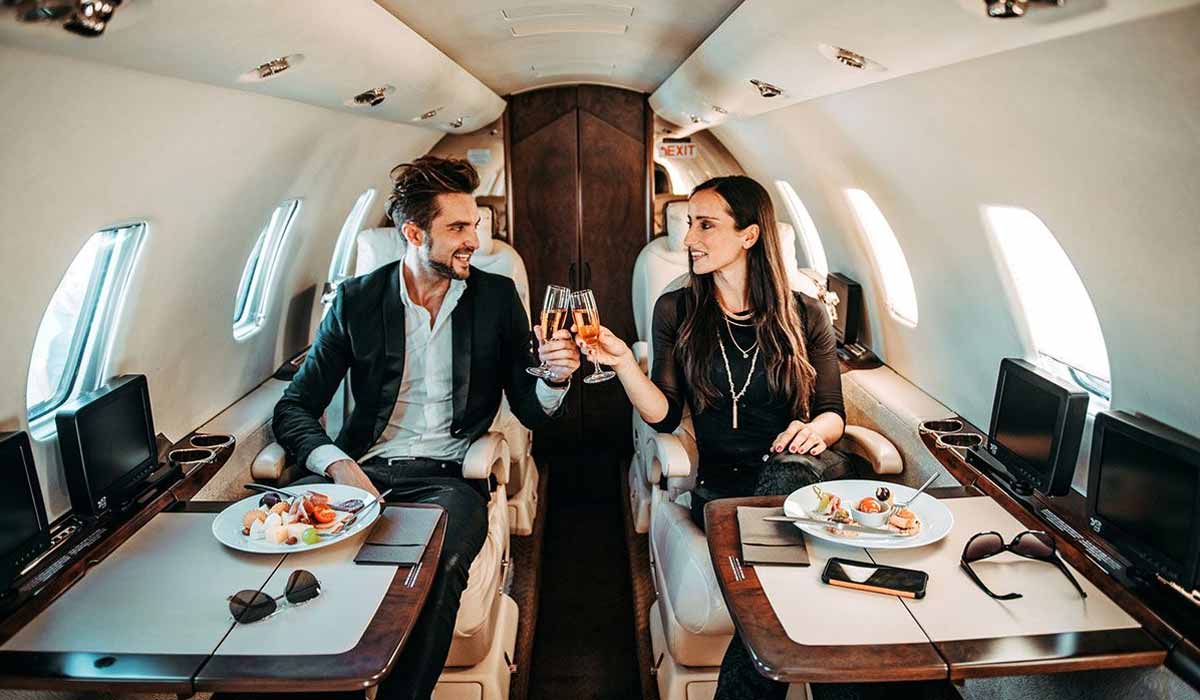
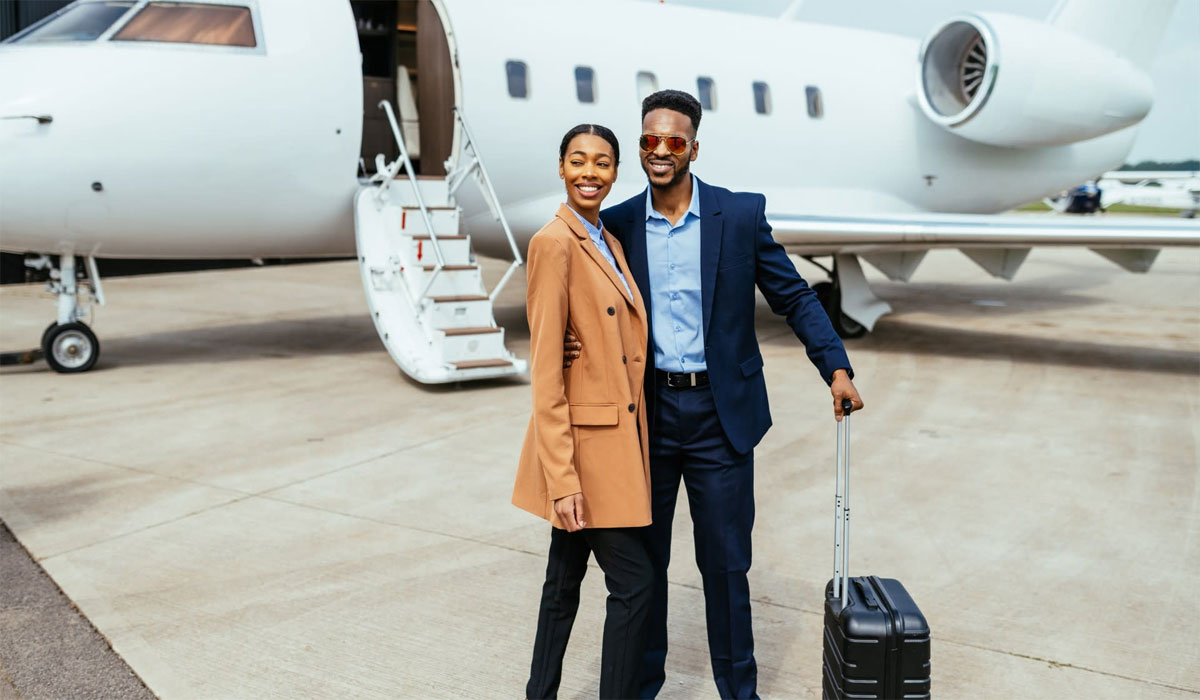
Influencers and celebrities play a central role in this transformation by consistently showcasing premium lifestyles. Private jets, luxury resorts, designer outfits, and VIP events are frequently displayed as part of personal branding strategies. These images not only attract attention but also create aspiration among audiences who view luxury as a benchmark of achievement.
This constant exposure has made luxury a normalized part of digital culture. It is no longer rare or distant but integrated into everyday scrolling experiences. As a result, luxury is now deeply tied to identity building, where individuals use lifestyle presentation as a tool to express ambition, influence, and social positioning.
Also Read: Unbelievable Secrets Of Tech Billionaires That Could Change Everything You Know
Psychological Appeal And Social Perception
Luxury lifestyle holds a strong psychological appeal because it represents success, confidence, and exclusivity. Many individuals associate luxury with achievement and upward mobility, viewing it as proof of hard work and dedication. This connection makes luxury not only desirable but also emotionally meaningful for those striving for success.
At the same time, luxury significantly influences social perception in both personal and professional environments. People who display luxury are often perceived as more successful, capable, or influential, even before their achievements are fully understood. This perception can shape opportunities, relationships, and social status in subtle but powerful ways.
However, this influence also creates challenges. The pressure to maintain a luxury image can lead to comparison, insecurity, and unrealistic expectations. In a world dominated by social media, many individuals feel compelled to match idealized lifestyles, even when those representations do not reflect reality.
Luxury Lifestyle Economic
Beyond personal expression, luxury lifestyle has become a major driver of the global economy. Industries such as fashion, automotive, real estate, and hospitality rely heavily on luxury demand to sustain growth and innovation. High end products and services often set benchmarks that influence entire markets.
Luxury brands invest significantly in storytelling, craftsmanship, and exclusivity to maintain their identity. Rather than selling only products, they sell experiences, emotions, and status. This approach has created a powerful global industry where luxury represents not just consumption but cultural meaning and aspiration.
In addition, luxury culture has a strong influence on mainstream trends. Designs, styles, and innovations introduced by luxury brands often inspire more affordable alternatives, making luxury aesthetics accessible to wider audiences. This trickle down effect shows how luxury shapes both high end markets and everyday consumer culture.
Image Information Source:
- First Image of www.golfmonthly.com
- Second Image of www.golfmonthly.com